Bluetooth Hearing Aids: How They Work and What to Know

Affiliate disclosure: Some links on this page are affiliate links. If you buy through them we earn a small commission at no extra cost to you. Recommendations are research-driven; we don't claim personal use of every product reviewed. Product prices and availability are accurate as of the date published and are subject to change. Always check Amazon for current pricing before purchasing. Learn more.
Important:licensed audiologist or hearing healthcare professional
Quick Picks
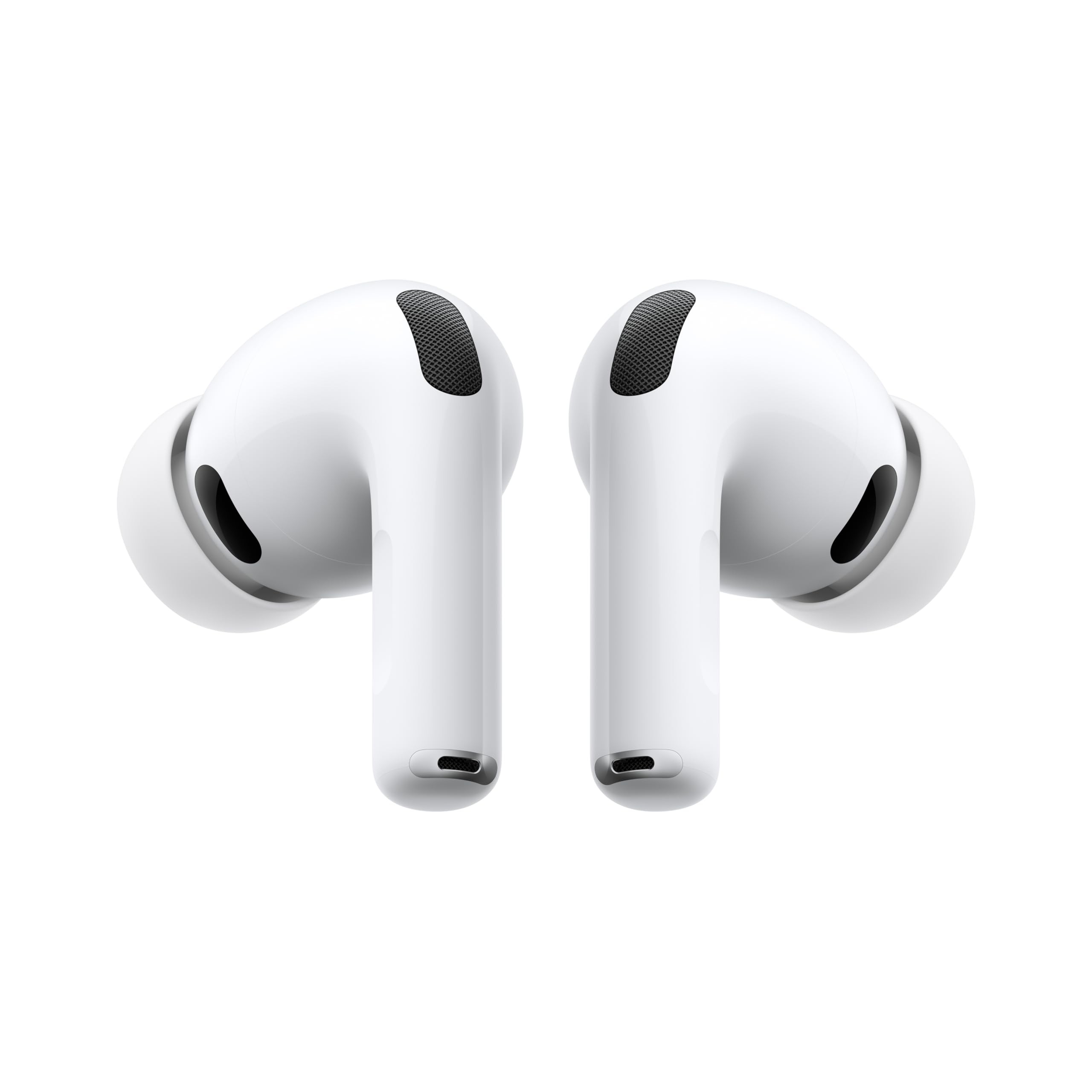
Apple AirPods Pro 3 Wireless Earbuds, Active Noise Cancellation, Live Translation, Heart Rate Sensing, Hearing Aid Feature, Bluetooth Headphones, Spatial Audio, High-Fidelity Sound, USB-C Charging
Direct audio streaming from smartphones, televisions, and other Bluetooth-enabled devices
Buy on AmazonBluetooth hearing aids have changed what’s possible for people with hearing loss, connecting directly to phones, televisions, and tablets in ways that weren’t available even a decade ago. For anyone researching options for themselves or a family member, understanding how Bluetooth technology fits into the hearing aid landscape is genuinely useful before making any purchase.
The category covers a wide range of devices, from prescription aids fitted by audiologists to over-the-counter options and newer consumer audio products with built-in hearing support features. Sorting through those options takes time and patience, which is exactly what this resource is designed to support.
What Bluetooth Hearing Aids Actually Do
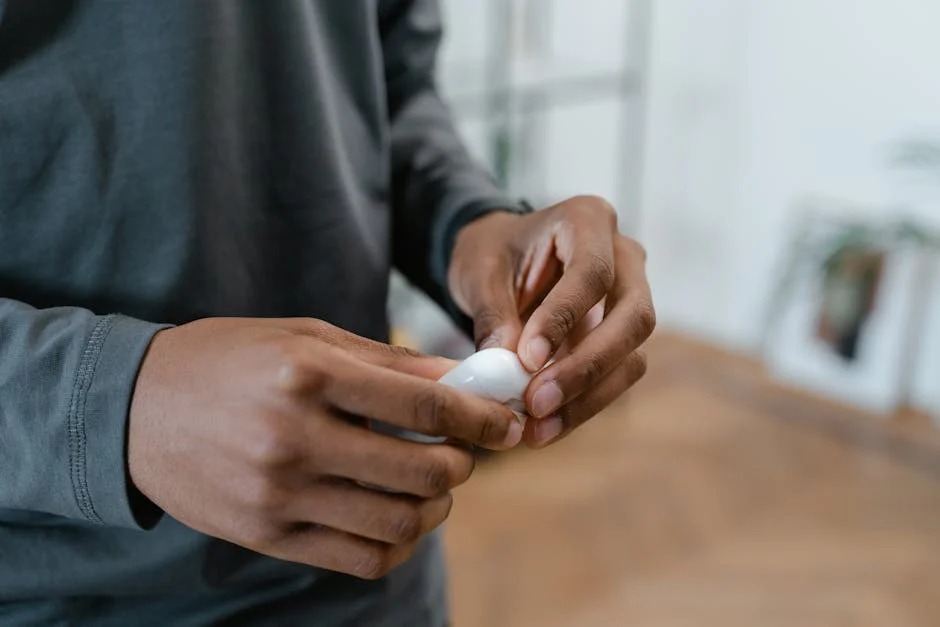
The phrase “Bluetooth hearing aids” gets used loosely, so it helps to be precise. At its core, a Bluetooth-enabled hearing aid does two things: it amplifies sound the way any hearing aid does, and it also streams audio wirelessly from external devices. That means phone calls, music, podcast audio, and television sound can all come directly into the hearing aids without any cord or neck loop intermediary.
For a fuller overview of how the technology works across device types and price tiers, the Bluetooth Hearing Aids hub page covers the landscape in detail.
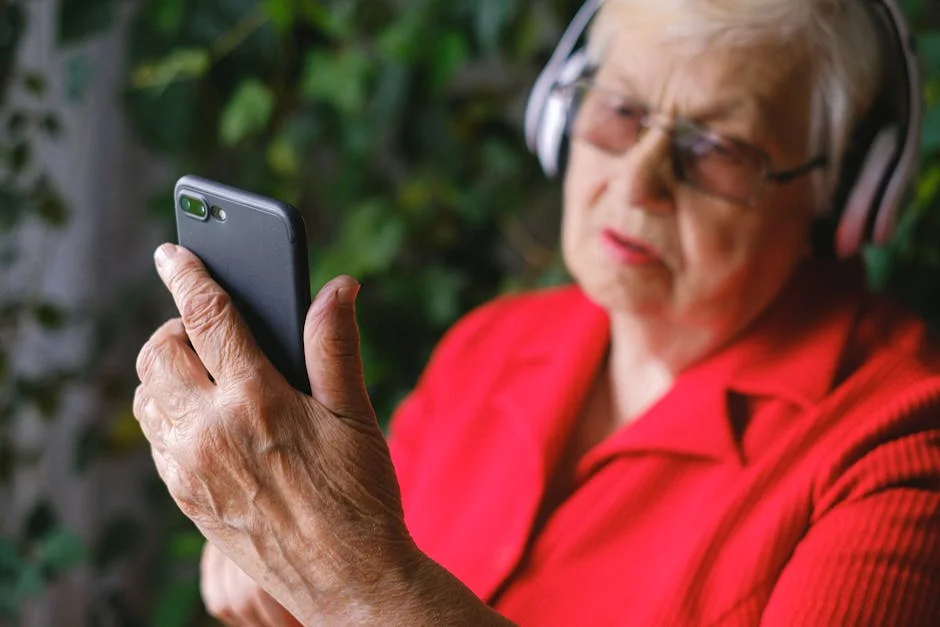
The practical effect is significant. Someone at the dinner table who struggles to hear a phone call can answer it and have the voice stream directly into both ears at a comfortable volume. Someone watching television alone no longer needs the volume cranked high enough to disturb everyone else in the house. These are outcomes that matter daily, not features that look good on a spec sheet.
How Bluetooth Connectivity Works in Hearing Aids
Most modern hearing aids use one of two Bluetooth protocols. Classic Bluetooth (used in many Android-compatible devices) and Bluetooth Low Energy, or BLE, which forms the basis of Made for iPhone (MFi) connectivity and, more recently, the emerging Audio Streaming for Hearing Aids (ASHA) standard for Android. The distinction matters when a buyer is choosing a device to pair with a specific phone. Audiologists writing in The Hearing Journal have noted that compatibility mismatches between hearing aids and smartphones are among the most common sources of early frustration for new users, so checking compatibility before purchase is worth the extra step.
Streaming vs. Direct Audio
Not all Bluetooth hearing aids stream audio the same way. Some devices require an intermediary streamer, a small accessory worn around the neck or clipped to clothing, that receives the Bluetooth signal and retransmits it to the hearing aids. Others stream directly from phone to hearing aid with no extra hardware. Direct streaming is generally more convenient, but intermediary devices can extend range and compatibility with older Bluetooth sources. Verified buyers on Hearing Tracker forums often note that direct-streaming setups feel significantly less cumbersome in everyday use, particularly for people who are new to hearing aids and already managing an adjustment period.
Battery Life Trade-Offs
Manufacturer documentation across multiple brands consistently states that Bluetooth streaming draws more power than standard acoustic amplification alone. For rechargeable hearing aids, that means a day of heavy streaming may require recharging earlier than expected. For disposable-battery devices, streaming-heavy use shortens battery life in a measurable way. This is not a dealbreaker, but it is worth building into expectations, particularly for people who spend several hours each day on phone calls or streaming television.
App Control and Remote Adjustments
One of the quieter benefits of Bluetooth-connected hearing aids is the companion app. Most major brands, including Phonak, Oticon, Starkey, and Jabra, offer smartphone apps that allow wearers to adjust volume, switch listening programs, and in some cases fine-tune settings without returning to an audiologist’s office for every small change. Owner reviews on Hearing Tracker indicate that app quality varies considerably across brands. Some apps are described as intuitive and reliable; others draw consistent criticism for instability or limited functionality. Audien, for example, has received repeated feedback about constrained app features compared to mid-range competitors.
Top Picks
Apple AirPods Pro 3
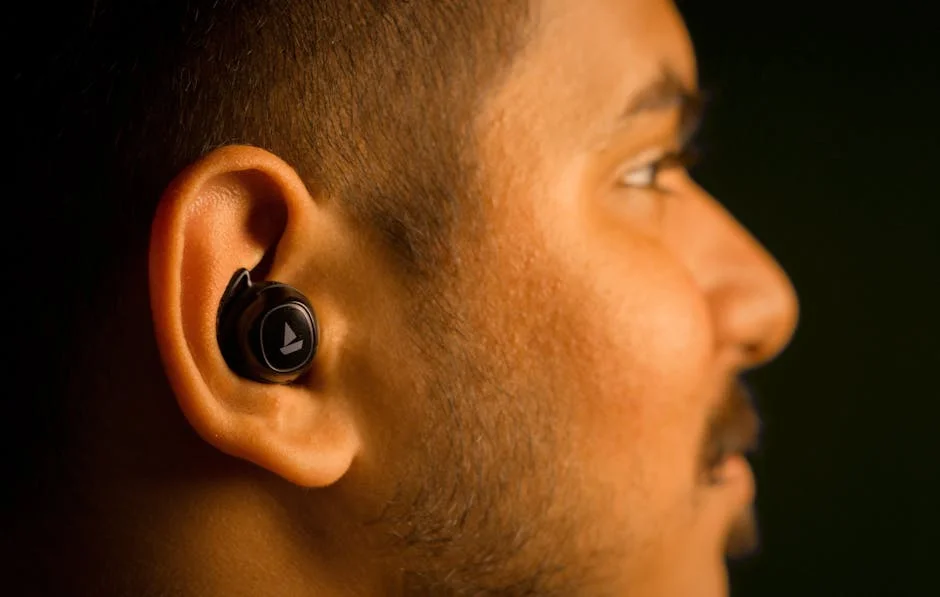
The Apple AirPods Pro 3 Wireless Earbuds represent a genuinely new category in the hearing support space. Apple received FDA clearance to market AirPods Pro 2 with a hearing aid feature, and the AirPods Pro 3 continues in that direction, positioning a consumer audio product as a viable option for people with mild to moderate hearing loss. This is not a prescription hearing aid, and it is not designed for severe or profound hearing loss, but for the right user profile, the device addresses real daily listening challenges.
The Bluetooth connectivity here is, by any measure, among the most capable in the consumer space. Because AirPods Pro 3 connect natively to Apple devices, audio from iPhone calls, FaceTime, streaming video, and Apple TV routes directly and reliably into both ears. Spec data shows support for Apple’s H2 chip-based audio processing, which handles signal routing and adaptive noise management. For someone already embedded in the Apple ecosystem, including an iPhone, iPad, Apple Watch, and Apple TV, the integration is unusually cohesive. Manufacturer documentation states that the Live Translation feature allows real-time language translation to stream directly to the ears, a practical benefit for families with members who speak different languages or for travel.
Active Noise Cancellation is included and functions as it does in the standard AirPods Pro line, reducing ambient background noise to help speech stand out. In hearing aid terms, this functions similarly to background noise reduction programs found in mid-range prescription devices. Owner reviews on Hearing Tracker and Apple-focused forums note that the ANC is effective in moderate noise environments like coffee shops and offices, though users with more significant hearing loss report that the hearing aid feature alone does not fully compensate in loud, complex listening environments like busy restaurants.
The cons are worth naming clearly. Bluetooth streaming draws additional power, and AirPods Pro 3 battery life reflects that. Extended periods of simultaneous hearing aid feature use and audio streaming will exhaust the battery faster than traditional in-ear earbuds used for music alone. Manufacturer documentation notes USB-C charging via the included case, which partially mitigates this by making top-off charging simple throughout the day. Additionally, this device is not a substitute for audiologist-fitted prescription aids for people with moderate-to-severe or severe hearing loss. Ruth, for example, whose loss falls in the moderate-to-severe range, would not be well-served by AirPods Pro 3 as a primary device. For mild-to-moderate loss in someone already using Apple products daily, the picture is different.
The form factor is also worth noting. AirPods Pro 3 look like consumer earbuds, not hearing aids, which some users find preferable from a self-consciousness standpoint. Others, particularly older adults, may find the in-ear tip style less comfortable over long wear periods than receiver-in-canal hearing aid styles. Fit matters for both comfort and acoustic performance, and verified buyer feedback on Amazon consistently raises fit as a variable.
At a premium price point, AirPods Pro 3 sit above budget OTC hearing aids but below many prescription devices. For a buyer whose primary needs include audio streaming from Apple devices, mild-to-moderate hearing support, and a familiar consumer product interface, the device is worth serious consideration. For anyone with greater than moderate loss, or with hearing needs that require audiologist calibration, a prescription fitting remains the appropriate path.
Check current price on Amazon.
Buying Guide for Bluetooth Hearing Aids
Matching the Device to the Degree of Hearing Loss
The single most important factor in any hearing aid purchase is whether the device can actually address the wearer’s degree of hearing loss. Bluetooth features add meaningful convenience, but they do not compensate for a device that lacks sufficient amplification. Mild-to-moderate loss opens up a wider range of options, including OTC devices and consumer products like AirPods Pro 3. Moderate-to-severe or severe loss generally requires prescription-fitted devices with more powerful receivers.
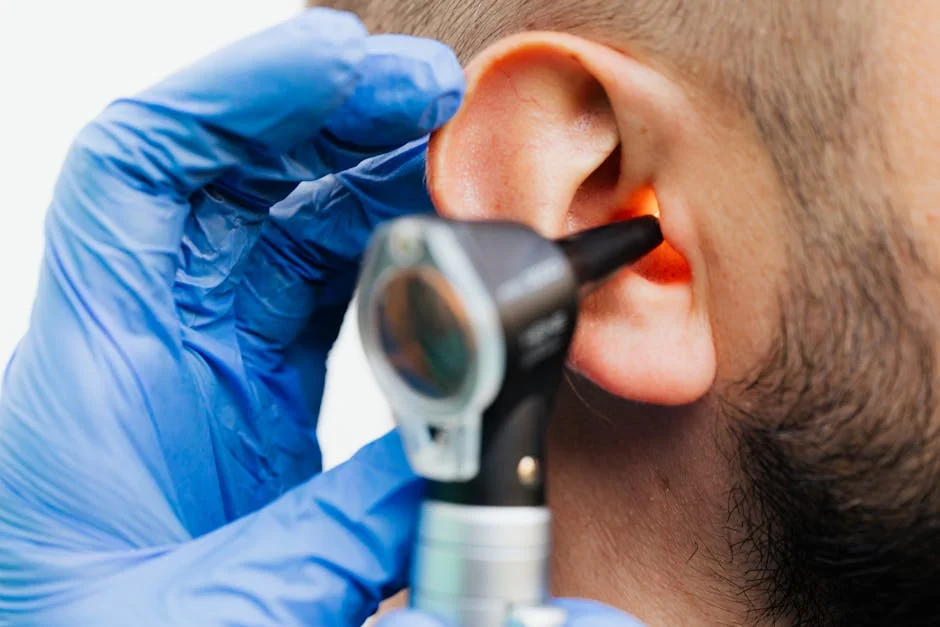
Audiologists writing in The Hearing Journal consistently advise that buyers obtain a formal audiogram before selecting any device, including OTC options. Without an audiogram, there is no reliable basis for matching a device to actual hearing needs. Many audiologists offer audiograms as standalone services even for patients who ultimately purchase OTC aids.
Understanding Bluetooth Compatibility With Your Phone
Bluetooth hearing aid compatibility varies by phone operating system. Made for iPhone (MFi) devices pair directly with iOS with minimal setup. Android compatibility has improved significantly with the ASHA standard, but not all Android phones or hearing aids support it. For a deeper look at compatibility considerations across device types, Bluetooth hearing aids resources can help buyers compare options by phone platform.
Buyers should verify compatibility before purchase rather than after. This is especially important for people buying on behalf of a family member, where the recipient’s specific phone model may differ from the buyer’s own.
Evaluating App Quality Before Committing
Companion apps are now a standard feature of Bluetooth hearing aids, but app quality is not uniform. A well-designed app allows volume adjustments, program switching, and basic troubleshooting without an office visit. A poorly designed one adds frustration rather than reducing it. Owner reviews on Hearing Tracker and in consumer forums frequently identify app reliability as a deciding factor in long-term satisfaction with a device.
Before purchasing, it is worth reading recent app store reviews for the specific device under consideration, not just the hardware reviews. App performance can change with software updates, so reviews from the past six to twelve months are more informative than older ones.
Considering Hearing Aid Form Factor for Comfort
Bluetooth features appear across all major hearing aid form factors, including receiver-in-canal (RIC), behind-the-ear (BTE), in-the-ear (ITE), and now in-ear consumer earbud styles. Form factor affects comfort during extended wear, visibility, ease of handling for people with dexterity challenges, and how well the device stays in place during physical activity.
For older adults managing hearing aids for the first time, smaller and more discreet form factors are appealing but may be harder to handle. Receiver-in-canal styles with thin tubes tend to draw positive feedback from first-time wearers in terms of comfort and manageability. In-ear tips like those used in AirPods Pro require a secure fit to deliver consistent acoustic performance.
Battery Type and Daily Charging Habits
Bluetooth streaming shortens battery life compared to non-streaming use. This is true across prescription aids and consumer devices alike. Rechargeable hearing aids have become the dominant format in the mid-range and premium tiers, and for most users they are more convenient than managing disposable batteries. The trade-off is that a forgotten charge overnight means starting the day without a functional device.
Disposable battery devices offer a different kind of reliability since a spare battery pack solves most power problems immediately. For travelers or people with irregular daily routines, disposable batteries can be a practical preference. Buyers should think through their actual daily habits before defaulting to rechargeable simply because it is the more common format.
Frequently Asked Questions
What is a Bluetooth hearing aid and how is it different from a regular hearing aid?
A Bluetooth hearing aid amplifies sound the way any hearing aid does, but it also connects wirelessly to smartphones, televisions, and other Bluetooth-enabled devices to stream audio directly into the ears. A standard hearing aid picks up and amplifies ambient sound only. The Bluetooth connection allows phone calls, music, and TV audio to come through the hearing aids at a personally controlled volume without disturbing others nearby. Both types use the same basic amplification technology; Bluetooth adds a wireless audio layer on top.
Can I use Bluetooth hearing aids with any smartphone?
Compatibility depends on both the hearing aid and the phone’s operating system. Made for iPhone (MFi) hearing aids are designed to pair directly with iOS devices. Many Android-compatible hearing aids use the Audio Streaming for Hearing Aids (ASHA) standard, but not every Android phone model supports it. Checking the manufacturer’s compatibility list before purchasing is a necessary step, not an optional one.
Are products like AirPods Pro 3 a real alternative to prescription hearing aids?
For people with mild to moderate hearing loss, consumer hearing devices with FDA-cleared hearing aid features can address real daily listening needs, particularly in quieter environments. They are not appropriate for moderate-to-severe or severe hearing loss, where prescription fitting and stronger amplification are necessary. An audiogram is the only reliable way to know which category applies. Someone with significant hearing loss who purchases a consumer device expecting prescription-level performance is likely to be disappointed.
Does Bluetooth streaming significantly reduce battery life in hearing aids?
Yes, and manufacturer documentation across multiple brands confirms this. Bluetooth streaming draws more power than standard acoustic amplification alone. For rechargeable devices, this may mean needing a midday charge on high-streaming days. For disposable battery devices, battery intervals will shorten with regular streaming use.
What should I look for in a hearing aid companion app?
A useful companion app allows volume adjustments, program switching, and basic troubleshooting from a smartphone without requiring an office visit. App quality varies considerably across brands, and owner reviews on Hearing Tracker forums and app stores frequently identify app reliability as a major factor in long-term satisfaction. Reading recent app store reviews (within the past six to twelve months) gives a more accurate picture of current performance than hardware reviews alone. Unstable or limited apps reduce the practical value of Bluetooth connectivity.
<script type="application/ld+json">
{
 "@context": "https://schema.org",
 "@type": "FAQPage",
 "mainEntity": [
 {
 "@type": "Question",
 "name": "What is a Bluetooth hearing aid and how is it different from a regular hearing aid?",
 "acceptedAnswer": {
 "@type": "Answer",
 "text": "A Bluetooth hearing aid amplifies sound the way any hearing aid does, but it also connects wirelessly to smartphones, televisions, and other Bluetooth-enabled devices to stream audio directly into the ears. A standard hearing aid picks up and amplifies ambient sound only. The Bluetooth connection allows phone calls, music, and TV audio to come through the hearing aids at a personally controlled volume without disturbing others nearby. Both types use the same basic amplification technology; Bluetooth adds a wireless audio layer on top."
 }
 },
 {
 "@type": "Question",
 "name": "Can I use Bluetooth hearing aids with any smartphone?",
 "acceptedAnswer": {
 "@type": "Answer",
 "text": "Compatibility depends on both the hearing aid and the phone's operating system. Made for iPhone (MFi) hearing aids are designed to pair directly with iOS devices. Many Android-compatible hearing aids use the Audio Streaming for Hearing Aids (ASHA) standard, but not every Android phone model supports it. Checking the manufacturer's compatibility list before purchasing is a necessary step, not an optional one. A mismatch between hearing aid and phone is one of the most common sources of early buyer frustration."
 }
 },
 {
 "@type": "Question",
 "name": "Are products like AirPods Pro 3 a real alternative to prescription hearing aids?",
 "acceptedAnswer": {
 "@type": "Answer",
 "text": "For people with mild to moderate hearing loss, consumer hearing devices with FDA-cleared hearing aid features can address real daily listening needs, particularly in quieter environments. They are not appropriate for moderate-to-severe or severe hearing loss, where prescription fitting and stronger amplification are necessary. An audiogram is the only reliable way to know which category applies. Someone with significant hearing loss who purchases a consumer device expecting prescription-level performance is likely to be disappointed."
 }
 },
 {
 "@type": "Question",
 "name": "Does Bluetooth streaming significantly reduce battery life in hearing aids?",
 "acceptedAnswer": {
 "@type": "Answer",
 "text": "Yes, and manufacturer documentation across multiple brands confirms this. Bluetooth streaming draws more power than standard acoustic amplification alone. For rechargeable devices, this may mean needing a midday charge on high-streaming days. For disposable battery devices, battery intervals will shorten with regular streaming use. The effect is manageable for most users, but it is worth building realistic expectations around charging habits before committing to a specific device."
 }
 },
 {
 "@type": "Question",
 "name": "What should I look for in a hearing aid companion app?",
 "acceptedAnswer": {
 "@type": "Answer",
 "text": "A useful companion app allows volume adjustments, program switching, and basic troubleshooting from a smartphone without requiring an office visit. App quality varies considerably across brands, and owner reviews on Hearing Tracker forums and app stores frequently identify app reliability as a major factor in long-term satisfaction. Reading recent app store reviews (within the past six to twelve months) gives a more accurate picture of current performance than hardware reviews alone. Unstable or limited apps reduce the practical value of Bluetooth connectivity."
 }
 }
 ]
}
</script>Where to Buy
Apple AirPods Pro 3 Wireless Earbuds, Active Noise Cancellation, Live Translation, Heart Rate Sensing, Hearing Aid Feature, Bluetooth Headphones, Spatial Audio, High-Fidelity Sound, USB-C ChargingSee Apple AirPods Pro 3 Wireless Earbuds,… on Amazon