Hearing Aids with Bluetooth: Features, Options, and Benefits

Affiliate disclosure: Some links on this page are affiliate links. If you buy through them we earn a small commission at no extra cost to you. Recommendations are research-driven; we don't claim personal use of every product reviewed. Product prices and availability are accurate as of the date published and are subject to change. Always check Amazon for current pricing before purchasing. Learn more.
Important:licensed audiologist or hearing healthcare professional
Quick Picks
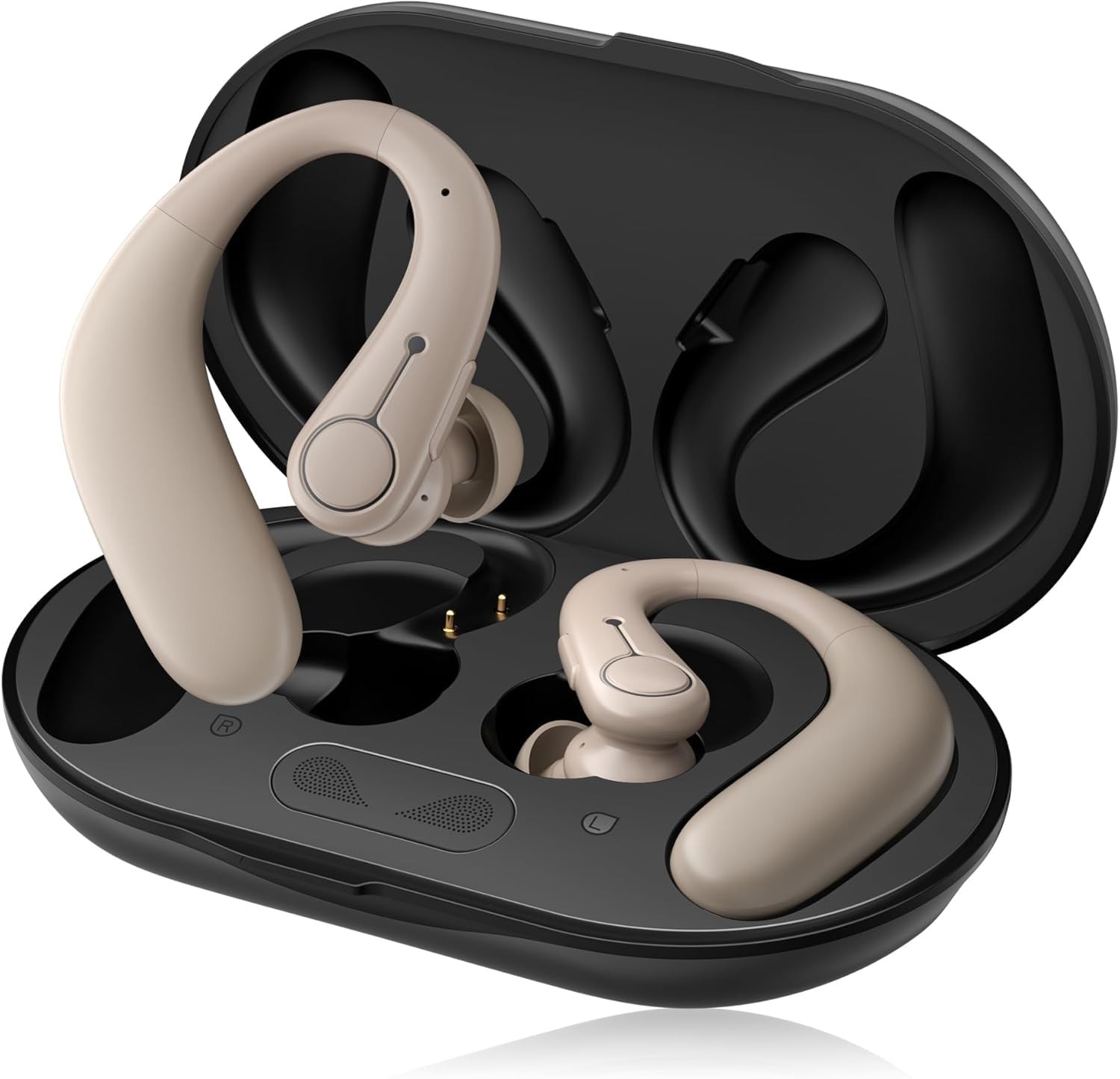
Generic OTC Hearing Aids, Hearing Aids for Seniors with Bluetooth, Rechargeable Hearing Aid with Noise Cancellation, 5-Level Button Volume Control, OTC Hearing Amplifier for Moderate Hearing Loss, Clear Sound
Available for purchase without a prescription or audiologist fitting appointment
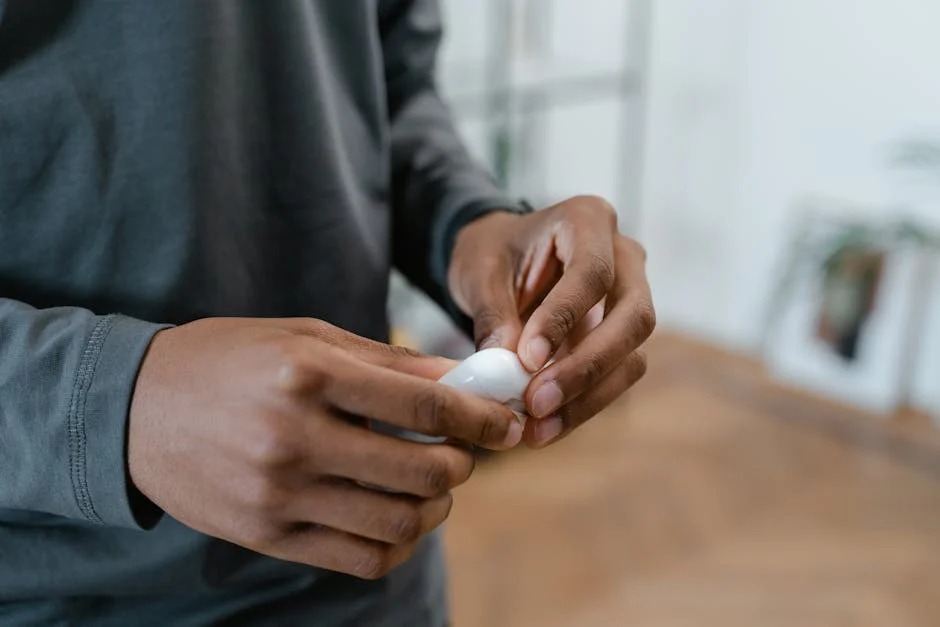
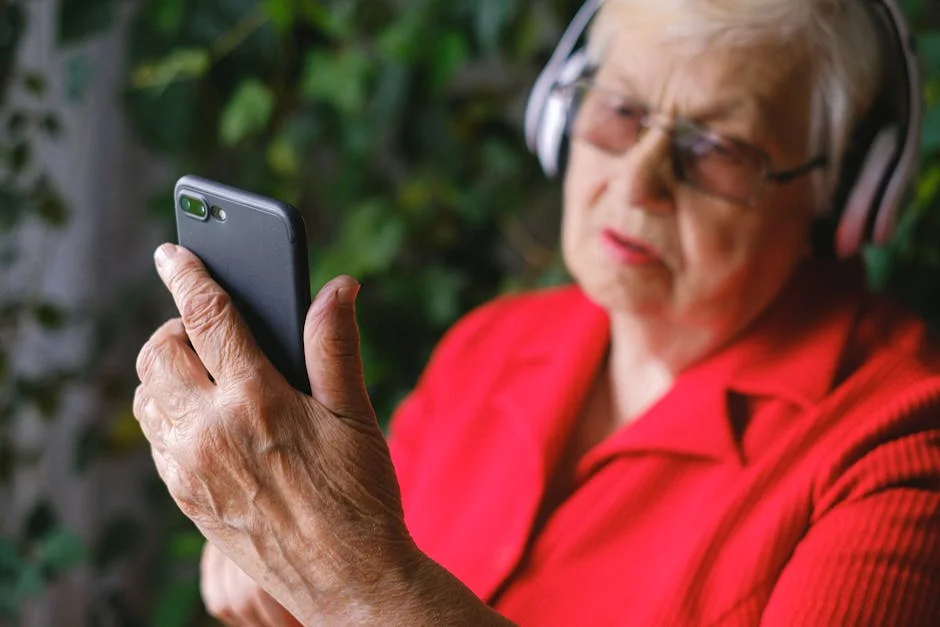
Buy on AmazonHearing aids with Bluetooth have become one of the most practical upgrades in modern hearing care, allowing wearers to stream phone calls, television audio, and music directly to their ears without extra cords or complicated workarounds. For families like mine, watching my mother Ruth go from straining to hear her grandchildren on FaceTime to taking calls hands-free was a genuine shift in daily quality of life.
Not every Bluetooth hearing aid fits every situation, though. Prescription devices, over-the-counter options, and personal sound amplification products all occupy different parts of this category, and sorting through them takes some research.
What Does Bluetooth Actually Do in a Hearing Aid?
Before comparing specific devices, it helps to understand what Bluetooth connectivity means in practical terms for a hearing aid wearer. This is not just a marketing feature. It changes how sound reaches your ears and how you control your devices day to day.
Traditional hearing aids amplify sound from the environment around you. Bluetooth hearing aids do that too, but they also allow your devices to receive audio signals directly from a smartphone, tablet, smart TV, or other paired source. The result is that phone calls, streaming audio, and even turn-by-turn navigation from a maps app play directly through your hearing aids rather than through a phone speaker you have to hold close to your ear.
For a full overview of how this technology works across device categories, the Bluetooth Hearing Aids hub on this site covers the landscape in depth.
Streaming vs. Remote Microphone Use
Two distinct Bluetooth functions show up repeatedly in owner discussions on Hearing Tracker. The first is direct audio streaming, meaning music, calls, and TV audio sent from a device to the hearing aids. The second is remote microphone pairing, where a small microphone worn by a conversation partner sends voice audio directly to the hearing aids, which matters most in noisy restaurants or across a dinner table.
Manufacturer documentation for most mid-range and premium devices supports both functions. Budget and OTC devices more commonly support direct streaming only. That distinction matters if a noisy restaurant or a grandchild’s recital is the specific situation driving the purchase.
App Control and Bluetooth Management
Most Bluetooth hearing aids today pair with a companion smartphone app. Audiologists writing in The Hearing Journal have noted that app-based control gives wearers a discreet way to adjust volume or change listening programs without touching the device itself. For wearers with dexterity limitations, this can be more practical than small physical buttons.
App quality varies considerably. Some apps offer basic volume sliders and program switching. Others include sound environment detection, personalized fitting questionnaires, and audiogram entry. Owner reviews on Hearing Tracker frequently cite app stability and ease of pairing as deciding factors in long-term satisfaction, independent of how well the hearing aids themselves amplify sound.
Who Should Consider Bluetooth Hearing Aids?
Bluetooth connectivity adds genuine value for specific groups, and it adds less value for others. Matching the feature set to actual daily needs prevents paying for capabilities that will never be used.
Adults who regularly take phone calls, stream television, or use voice assistants are the strongest candidates. People who spend significant time in loud environments (restaurants, family gatherings, houses of worship) benefit from the remote microphone option when it is available. Adults who find small hearing aid buttons hard to manipulate benefit from app-based volume control.
People whose primary listening environment is one-on-one conversation in quiet settings may find that a simpler, lower-cost device serves them just as well. Bluetooth capability does not improve the core amplification quality of a hearing aid on its own.
Top Picks
Hearing Aids for Seniors with Bluetooth, Rechargeable with Noise Cancellation
The Hearing Aids, Hearing Aids for Seniors with Bluetooth, Rechargeable Hearing Aid with Noise Cancellation, 5-Level Button Volume Control, OTC Hearing Amplifier for Moderate Hearing Loss, Clear Sound is a budget-category over-the-counter device designed for adults with mild-to-moderate hearing loss who want wireless audio connectivity without a prescription or a clinical fitting appointment.
Verified buyers on Amazon note that the pairing process with Android and iOS devices is straightforward, with most reviewers reporting successful connection within the first few minutes out of the box. Owner reviews frequently mention the rechargeable battery as a practical convenience, particularly for users who find disposable hearing aid batteries fiddly to handle.
Noise cancellation and sound processing. Manufacturer documentation describes active noise reduction processing intended to reduce background noise during streaming and in ambient listening situations. Owner reviews give mixed feedback on how well this performs in genuinely loud environments. Most reviewers describe it as adequate for home use and moderate social settings, with some noting that loud restaurant noise still presents difficulty. This is consistent with what audiologists writing in The Hearing Journal have noted about OTC noise reduction generally: it provides meaningful help in mild-to-moderate noise but does not match the directional microphone systems in premium prescription devices.
Volume control and self-fitting. The device includes a five-level physical volume button alongside app-based adjustment. For users who prefer not to use a smartphone interface, the button control means Bluetooth is optional rather than mandatory for basic function. The self-fitting app allows users to enter hearing preferences and adjust amplification by frequency range. Audiologists consulted in ASHA resources have consistently noted that self-fitting tools provide a useful starting point but cannot replicate the individualized real-ear measurement process conducted in a clinical setting. For mild-to-moderate hearing loss without complex audiogram profiles, however, owner reports suggest many users find self-fitting results satisfactory.
Who this device suits and where it falls short. This device is positioned for adults who are new to hearing aids, not yet ready to commit to a prescription fitting, or looking for a secondary device to supplement a primary prescription aid. It is explicitly not designed for severe or profound hearing loss, and manufacturer documentation does not claim otherwise. Eargo, Audien, and similar compact OTC brands have faced similar ceiling limitations documented in consumer coverage at Hearing Review. Adults with confirmed moderate-to-severe loss or complex audiogram profiles are consistently directed toward audiologist-fitted devices in clinical guidance sources.
The Bluetooth streaming function, rechargeable design, and accessible price band make this a reasonable entry point for the right buyer profile. Owner reviews on Amazon skew positive for ease of use and call streaming quality, with the most common criticism being that amplification does not fully satisfy users whose loss has progressed beyond moderate.
Check current price on Amazon.
Buying Guide: Choosing Hearing Aids with Bluetooth
The following considerations apply regardless of which device or brand you are evaluating. They are drawn from audiologist guidance in The Hearing Journal, owner experience reported on Hearing Tracker, and the research process involved in sourcing devices for my mother over several years.
Confirm Your Hearing Loss Degree First
The single most important factor in any hearing aid decision is whether the device is matched to your actual degree of hearing loss. OTC Bluetooth devices are legally permitted for mild-to-moderate loss in the United States under FDA regulations that took effect in 2022. Devices marketed for that range should not be the first choice for moderate-to-severe or severe loss without clinical input.
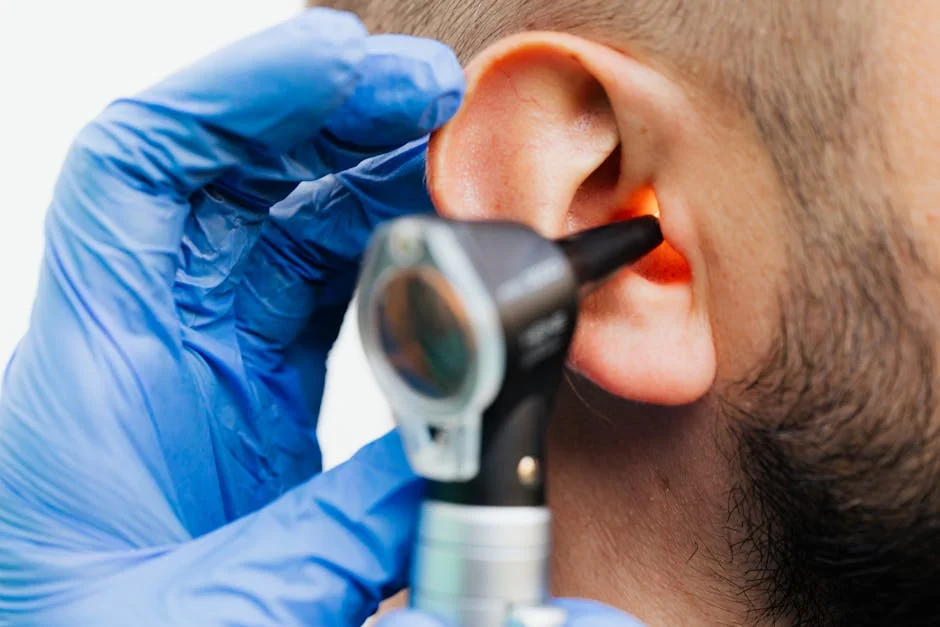
If you have not had a hearing test in the past two years, an audiologist evaluation before purchasing gives you a baseline. Many audiologists offer standalone hearing assessments even if you plan to buy OTC. That audiogram data is also useful when using self-fitting apps, which typically ask for frequency-specific hearing information during setup.
Understand Which Bluetooth Standard the Device Uses
Not all Bluetooth hearing aids use the same protocol, and compatibility with your specific phone matters. Audiologists writing in The Hearing Journal have noted that Made for iPhone (MFi) devices use Apple’s proprietary protocol and pair differently than standard Bluetooth or the newer Bluetooth Low Energy Audio (Auracast-compatible) devices. Android users should verify that a device lists explicit Android compatibility rather than relying on general Bluetooth claims.
For a detailed comparison of connectivity protocols across hearing aid categories, the Bluetooth hearing aids guide on this site covers MFi, ASHA (Audio Streaming for Hearing Aids for Android), and standard Bluetooth in one place. Checking compatibility before purchasing prevents the frustrating experience of a device that streams to one family member’s phone but not another’s.
Evaluate Battery Type for Your Lifestyle
Rechargeable and disposable battery options each have practical tradeoffs. Owner reviews on Hearing Tracker consistently show that rechargeable devices are preferred by users with arthritis or reduced hand dexterity, because replacing size 10 or size 312 batteries requires handling very small components. Rechargeable devices also eliminate the ongoing cost of battery replacement.
The tradeoff is that rechargeable devices cannot be swapped to a fresh battery if charge runs out during the day. Manufacturer documentation for most rechargeable OTC devices claims a full day of use on a single charge, though streaming audio significantly reduces battery life compared to ambient amplification alone. Users who stream frequently should factor that into charge planning.
Consider the Full-Service Picture for Prescription Devices
Prescription hearing aids typically include audiologist fitting, follow-up adjustment appointments, and sometimes a loss or damage warranty within the purchase price. Consumer Reports hearing coverage has noted that the professional service component adds substantial value for wearers with complex hearing profiles, even when the hardware cost is higher than comparable OTC options.
Costco Hearing Centers offer prescription-quality devices with licensed audiologist fitting at mid-range prices, though Consumer Reports and Hearing Tracker owner reports both note that Costco wait times for initial appointments can run several weeks. For wearers who need a device quickly, that timeline is worth factoring in against the service benefits.
Match Features to Actual Daily Listening Environments
Hardware specifications list features; owner reviews describe real-world performance. Before finalizing a choice, identify the two or three listening situations that cause the most daily difficulty. Phone calls, television, noisy restaurants, and one-on-one conversation in quiet each stress hearing aid systems differently.
Hearing Tracker forum discussions consistently show that users who identify their target environments before purchasing report higher satisfaction than those who focus primarily on feature lists. A device with excellent streaming performance but weak directional microphone processing will underserve someone whose hardest environment is a crowded family dinner, regardless of how well it handles phone calls.
Closing Thoughts
Bluetooth hearing aids occupy a genuinely useful category, and the OTC market has made entry-level wireless connectivity accessible at price points that were not available even five years ago. The right choice still depends on hearing loss degree, daily lifestyle, and how much professional support a buyer wants or needs in the fitting process.
For anyone still orienting to this category, the Bluetooth hearing aids resource hub on this site brings together device comparisons, connectivity guides, and buyer FAQs in one place.
Frequently Asked Questions
Do I need a prescription to buy Bluetooth hearing aids?
Not necessarily. The FDA’s 2022 OTC hearing aid rule allows adults with mild-to-moderate hearing loss to purchase hearing aids without a prescription or audiologist fitting. Prescription devices remain the appropriate path for moderate-to-severe or severe loss, and audiologists can program them to a precise audiogram. If you are unsure of your degree of hearing loss, an audiologist evaluation before purchasing helps confirm which category of device is appropriate for you.
Can Bluetooth hearing aids connect to both Android and Apple phones?
Many can, but compatibility depends on the specific Bluetooth protocol a device uses. Made for iPhone devices require an Apple device for direct streaming. Devices using the ASHA (Audio Streaming for Hearing Aids) protocol work with compatible Android phones. Standard Bluetooth connectivity is broader but may not support all streaming functions on every phone.
Will Bluetooth hearing aids help in noisy restaurants?
Bluetooth streaming improves phone call and TV audio clarity, but restaurant noise reduction depends primarily on the hearing aid’s directional microphone and noise processing systems, not Bluetooth connectivity itself. Premium prescription devices generally outperform OTC devices in complex noise environments because of more sophisticated directional processing. Owner reviews on Hearing Tracker suggest that most OTC devices, including budget Bluetooth options, provide meaningful help in moderate noise but struggle in loud, reverberant restaurant environments.
How long does the battery last on rechargeable Bluetooth hearing aids?
Most rechargeable OTC hearing aids claim a full day of battery life (roughly 16 to 20 hours) under typical use conditions. Manufacturer documentation consistently notes that streaming audio via Bluetooth draws more power than ambient amplification, so heavy streamers may see shorter real-world battery life. Owner reviews on Amazon and Hearing Tracker frequently report actual battery performance landing between 12 and 18 hours depending on how much streaming is done throughout the day.
Is self-fitting an OTC Bluetooth hearing aid as effective as an audiologist fitting?
Self-fitting tools have improved significantly and allow users to enter audiogram data and adjust amplification by frequency. For mild-to-moderate hearing loss with a straightforward audiogram, many users report satisfactory results through app-based self-fitting. Audiologists writing in ASHA resources consistently note that real-ear measurement in a clinical setting produces more precise and individualized results, particularly for complex hearing profiles. Self-fitting is a practical and accessible option, but it involves tradeoffs in precision that buyers with more complex hearing needs should weigh carefully.
<script type="application/ld+json">
{
 "@context": "https://schema.org",
 "@type": "FAQPage",
 "mainEntity": [
 {
 "@type": "Question",
 "name": "Do I need a prescription to buy Bluetooth hearing aids?",
 "acceptedAnswer": {
 "@type": "Answer",
 "text": "Not necessarily. The FDA's 2022 OTC hearing aid rule allows adults with mild-to-moderate hearing loss to purchase hearing aids without a prescription or audiologist fitting. Prescription devices remain the appropriate path for moderate-to-severe or severe loss, and audiologists can program them to a precise audiogram. If you are unsure of your degree of hearing loss, an audiologist evaluation before purchasing helps confirm which category of device is appropriate for you."
 }
 },
 {
 "@type": "Question",
 "name": "Can Bluetooth hearing aids connect to both Android and Apple phones?",
 "acceptedAnswer": {
 "@type": "Answer",
 "text": "Many can, but compatibility depends on the specific Bluetooth protocol a device uses. Made for iPhone devices require an Apple device for direct streaming. Devices using the ASHA (Audio Streaming for Hearing Aids) protocol work with compatible Android phones. Standard Bluetooth connectivity is broader but may not support all streaming functions on every phone. Manufacturer documentation and verified buyer reviews for each device should confirm which phones and operating system versions are supported before you purchase."
 }
 },
 {
 "@type": "Question",
 "name": "Will Bluetooth hearing aids help in noisy restaurants?",
 "acceptedAnswer": {
 "@type": "Answer",
 "text": "Bluetooth streaming improves phone call and TV audio clarity, but restaurant noise reduction depends primarily on the hearing aid's directional microphone and noise processing systems, not Bluetooth connectivity itself. Premium prescription devices generally outperform OTC devices in complex noise environments because of more sophisticated directional processing. Owner reviews on Hearing Tracker suggest that most OTC devices, including budget Bluetooth options, provide meaningful help in moderate noise but struggle in loud, reverberant restaurant environments."
 }
 },
 {
 "@type": "Question",
 "name": "How long does the battery last on rechargeable Bluetooth hearing aids?",
 "acceptedAnswer": {
 "@type": "Answer",
 "text": "Most rechargeable OTC hearing aids claim a full day of battery life (roughly 16 to 20 hours) under typical use conditions. Manufacturer documentation consistently notes that streaming audio via Bluetooth draws more power than ambient amplification, so heavy streamers may see shorter real-world battery life. Owner reviews on Amazon and Hearing Tracker frequently report actual battery performance landing between 12 and 18 hours depending on how much streaming is done throughout the day."
 }
 },
 {
 "@type": "Question",
 "name": "Is self-fitting an OTC Bluetooth hearing aid as effective as an audiologist fitting?",
 "acceptedAnswer": {
 "@type": "Answer",
 "text": "Self-fitting tools have improved significantly and allow users to enter audiogram data and adjust amplification by frequency. For mild-to-moderate hearing loss with a straightforward audiogram, many users report satisfactory results through app-based self-fitting. Audiologists writing in ASHA resources consistently note that real-ear measurement in a clinical setting produces more precise and individualized results, particularly for complex hearing profiles. Self-fitting is a practical and accessible option, but it involves tradeoffs in precision that buyers with more complex hearing needs should weigh carefully."
 }
 }
 ]
}
</script>Where to Buy
Generic OTC Hearing Aids, Hearing Aids for Seniors with Bluetooth, Rechargeable Hearing Aid with Noise Cancellation, 5-Level Button Volume Control, OTC Hearing Amplifier for Moderate Hearing Loss, Clear SoundSee Hearing Aids, Hearing Aids for Senior… on Amazon